






Overview
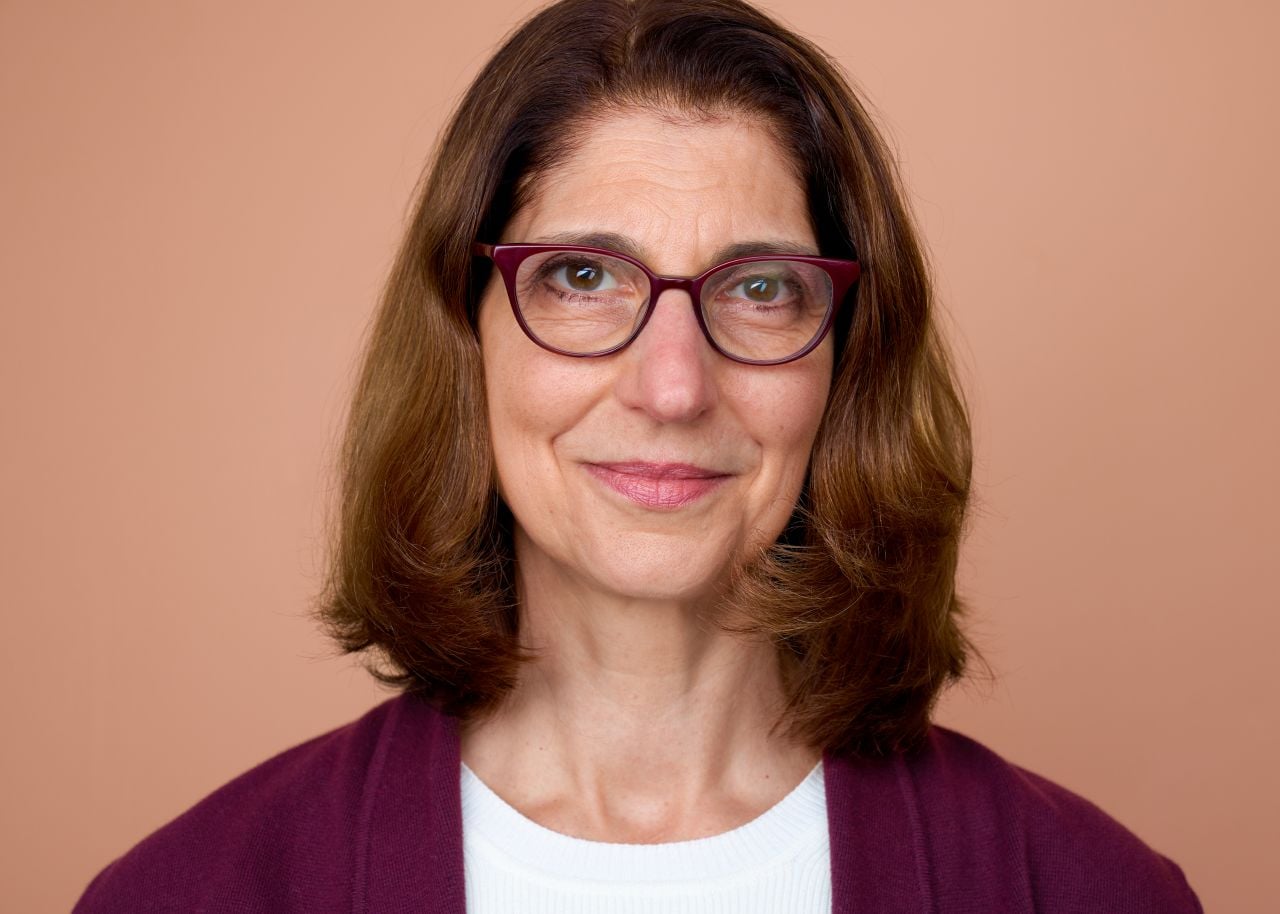
Laura Kubzansky, Ph.D. / Harvard T.H. Chan School of Public Health
With a growing share of the population living longer, identifying factors that improve people’s chances of maintaining optimal health later in life is a public health priority. Social stress and other negative psychosocial factors have been tied to chronic disease, and increasingly psychosocial factors that confer health benefits have also been identified. In this session, we will examine the epidemiologic evidence suggesting that both negative and positive psychosocial factors matter to human health and aging. We will also discuss and evaluate how some of these social and psychological experiences could influence physical health and aging processes, exploring possible mechanisms behind their links. Finally, we will consider some promising strategies for increasing the likelihood of healthy aging.
Biography
Dr. Laura Kubzansky is a professor of social and behavioral sciences, co-director of the Healthy Aging Initiative, founding Director of both the JPB Environmental Health Fellowship Program and the Lee Kum Sheung Center for Health and Happiness at the Harvard T.H. Chan School of Public Health, and a faculty affiliate of the Harvard Center for Population and Development Studies. With more than 400 publications, Dr. Kubzansky has published extensively on the role of psychological and social factors in health, well-being, and aging and whether these factors are pathways underlying social disparities in health. Moreover, she has served as a principal or co-investigator on grants funded by the National Institutes of Health, Veterans Health Administration, Robert Wood Johnson Foundation, the Environmental Protection Agency, and other distinguished organizations. Dr. Kubzansky also has a strong history of mentoring, having worked closely with more than 150 graduate students and postdoctoral research fellows. She is an elected fellow in the American Psychological Association, the Academy of Behavioral Medicine Research, and the Society for Biopsychosocial Science and Medicine and has served as an expert advisor to numerous foundations, health agencies, and the government.
